
Everyone knows CCTV alone doesn't stop anything. So why hasn't that changed?
Executive Summary
This isn't an awareness problem, facility managers already know footage alone doesn't prevent incidents. What's actually stopping them from fixing it is two specific, fixable misconceptions, not ignorance.
Ask any facility manager, security head, or warehouse operator whether their CCTV system actually prevents anything, and almost none of them will say yes. They know. This isn't a knowledge gap, they understand perfectly well that a camera recording to a hard drive nobody watches isn't security, it's just evidence for later. So if everyone already knows this, why does almost nobody fix it?
It's not awareness, it's two specific misconceptions
In our conversations with facility teams, the same two assumptions come up almost every time, and both are wrong. First: that fixing this means ripping out the existing CCTV system and buying new "smart" hardware, an expensive, disruptive project nobody wants to greenlight. Second: that they already tried something like this once, got buried in false alarms, and concluded the whole category doesn't work. Neither of those has to be true, but both are common enough reasons that a known problem stays unfixed for years.
The replacement myth
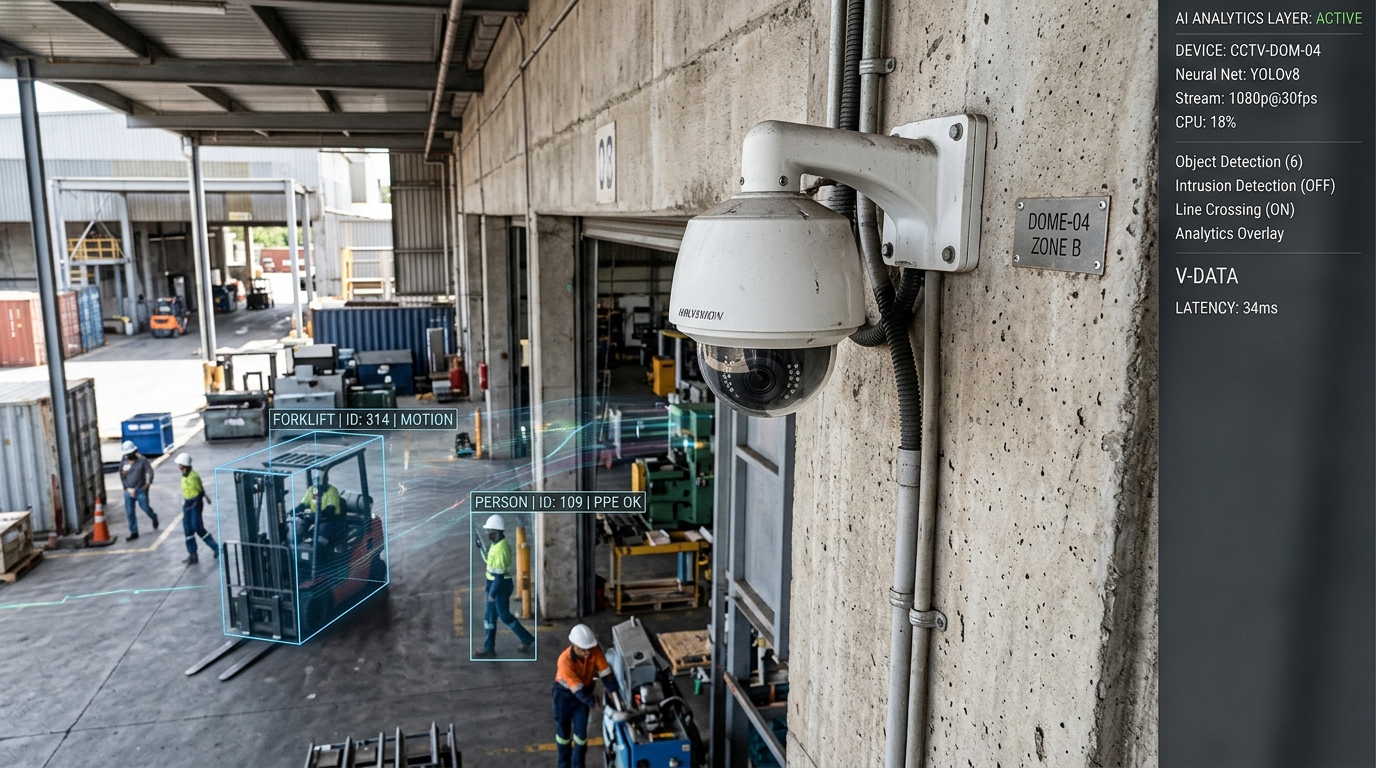
Most AI video analytics doesn't require new cameras at all. It's a software layer that runs on top of whatever's already mounted and already recording, the same hardware, pointed at a different job. The decision isn't "replace the system," it's "add a layer to the system you already paid for." That reframing alone changes the conversation, because the actual cost and disruption are a fraction of what people assume before they ask.
The false-alarm scar tissue is real, and it's earned
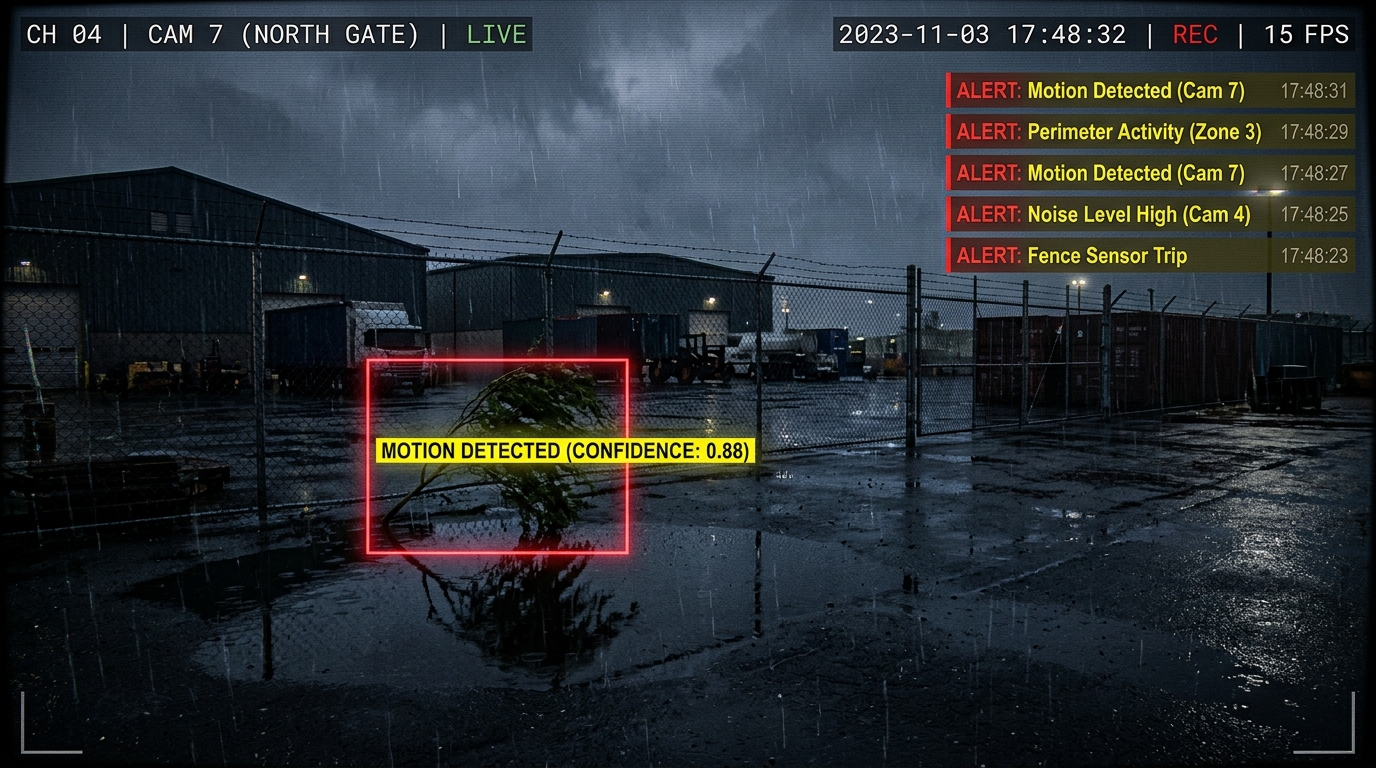
A lot of early AI camera products deserved to be switched off. Motion-triggered alerts for every shadow, every gust of wind, every passing bird, teams got buried in noise fast enough that they stopped trusting the system within weeks. That experience is real, and it's why "we tried AI cameras before" is one of the most common objections we hear, not because the idea failed, but because that specific implementation failed. A system where every alert is checked before it reaches you is a different product, not a better version of the same one.
What actually needs to change isn't awareness, it's the first conversation
The fix isn't convincing anyone that unwatched footage is a problem, they already know. The fix is removing the two reasons they've been sitting on that knowledge: showing that it doesn't mean replacing hardware, and proving, before any commitment, that the alerts won't be noise. That's the entire reason a feasibility review and a live POC come before any contract, not after. You don't have to take our word for either misconception being false, you get to see it on your own cameras first.